Local Business · Resource
Selling homemade food? Start with the approved-food list and local permit agencies
Mountain House’s business certificate is only one part of the process. County Environmental Health handles cottage-food registration or permits; the State maintains the approved-food categories.
Edition: 2026-10-03 · Mountain House Live · AI-assisted source summary & local analysisOriginal source: City of Mountain House business-license guidance; San Joaquin County Environmental Health; California Department of Public Health · CDPH overview updated May 14, 2026; City and County pages have no visible publication date; verified October 3, 2026
Mountain House residents exploring a home-food business can begin with three official references that answer different questions. The City says businesses operating within Mountain House need a valid Business License Certificate, but warns that the certificate does not authorize unpermitted activity. San Joaquin County Environmental Health provides the local cottage-food application route. The California Department of Public Health maintains the approved-food list rather than issuing cottage-food permits itself. This is a resource guide checked on October 3, not a newly announced law, a permit approval or a judgment that any particular home kitchen qualifies.
The State describes cottage-food operations as preparing and packaging specified non-potentially hazardous foods in private home kitchens. Its overview points operators to approved categories, food-operator training, sanitary practices, compliant labeling and annual sales limits. County guidance distinguishes Class A direct sales from Class B direct and indirect sales. A proposed seller should describe both the food and the intended sales channel when asking which process applies. Preparing orders at home, arranging pickup online and selling through another business are not interchangeable facts for a regulator reviewing the operation.
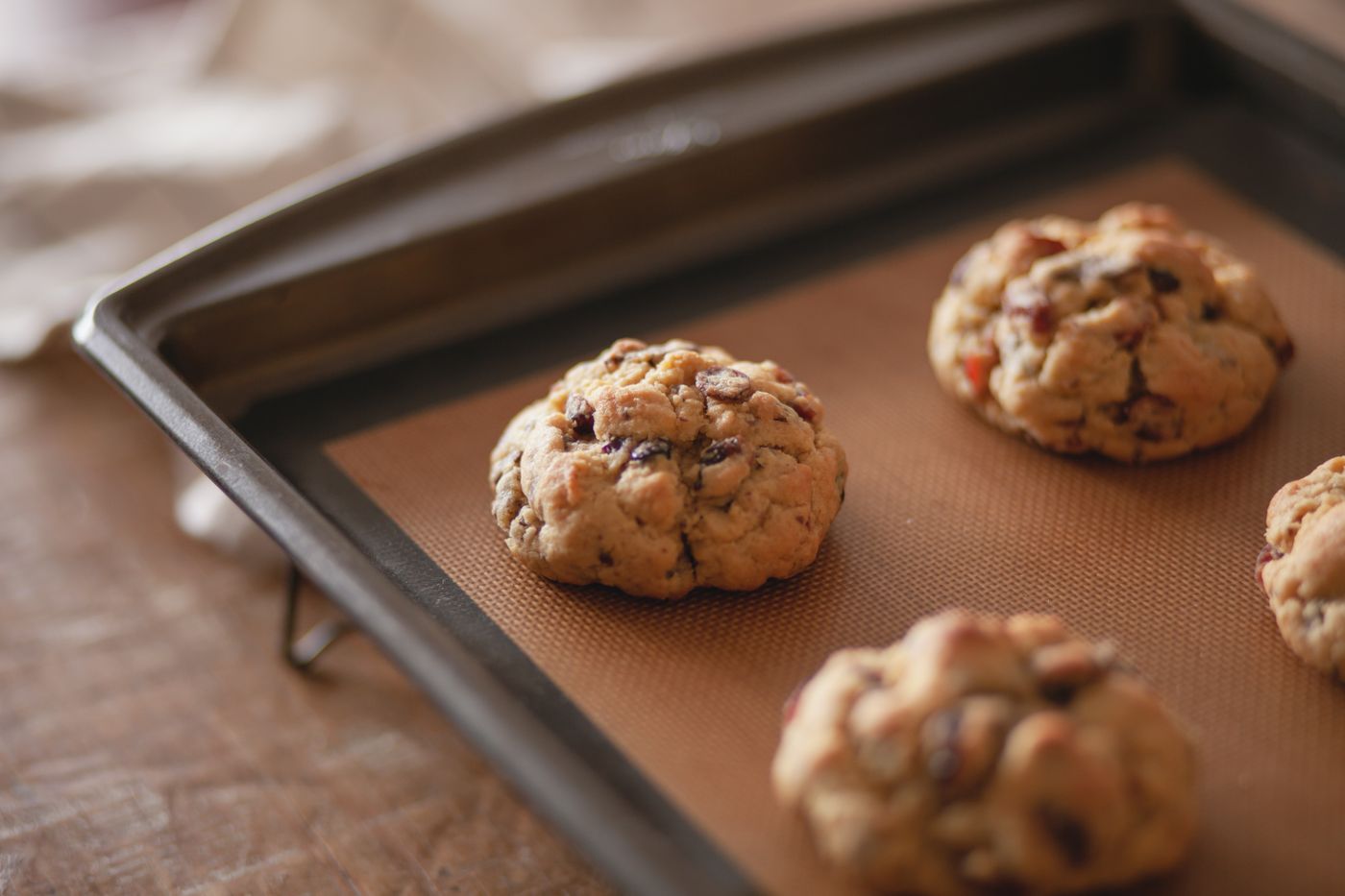
The approved list is a better starting point than assumptions based on a familiar food’s name. The State’s published examples include baked goods, but restrictions on ingredients and fillings matter; a broad description such as cake or pastry does not settle whether a particular recipe is eligible. CDPH’s current overview also links its 2026 adjusted sales-limit document. This article deliberately does not copy a fee or revenue figure from an older application: use the current agency materials and confirm the classification before setting a business plan. A neighbor’s permit for a different product is not proof that your own proposed menu is approved.
Local analysis: prepare one clear description before contacting an agency. Include the proposed products, major ingredients and fillings, how they would be packaged, where preparation would occur and who would buy them. Note whether the plan is direct pickup, a market booth or supplying another business. This is an organizing suggestion rather than an additional legal requirement. It can reduce confusion when the City and County ask different questions, and it helps a new seller notice that a change in menu or sales method could require further review. Keep official answers with the application records instead of relying on a forwarded social-media message.
The City’s license page lists 209-831-5670 for business-license questions and links its application portal. The County’s current cottage-food page is the starting point for its Class A and Class B routes. Ask the agencies to identify any additional approvals relevant to the address and operation, including applicable City requirements. Do not assume that an online payment, a website listing or a City certificate resolves the food-health questions. If the menu falls outside the cottage-food categories, ask County Environmental Health which other pathway, if any, is available rather than altering the description to make the application appear to fit.
For local buyers, the same distinction helps turn support for small businesses into an informed purchase. Ask the seller for the applicable registration or permit information and clear product details; avoid treating a social-media following as an inspection record. This guide does not evaluate or endorse an individual seller. Its purpose is to connect a promising local-business idea to the agencies that can assess it, so residents spend their effort on a viable process before taking orders. The authoritative next step belongs with the City and County, while the State’s current approved-food and labeling resources help operators frame the right questions.
Source-based account with Mountain House Live’s local analysis. Our interpretation is based on the linked records; it is not a statement from the source organization. Dates are preserved from this edition; confirm time-sensitive details with the original source.