Environment · Development
Golden-mussel response bill joins California’s signed conservation package
The Governor’s September 29 announcement confirms AB 2032, authored by Tracy Assemblymember Rhodesia Ransom, was signed. The invasive mussel remains a water-infrastructure and recreation concern across the Delta.
Edition: 2026-10-03 · Mountain House Live · AI-assisted source summary & local analysisOriginal source: Governor of California conservation announcement and California Department of Fish and Wildlife · Signing announcement September 29, 2026; CDFW guidance checked October 3, 2026
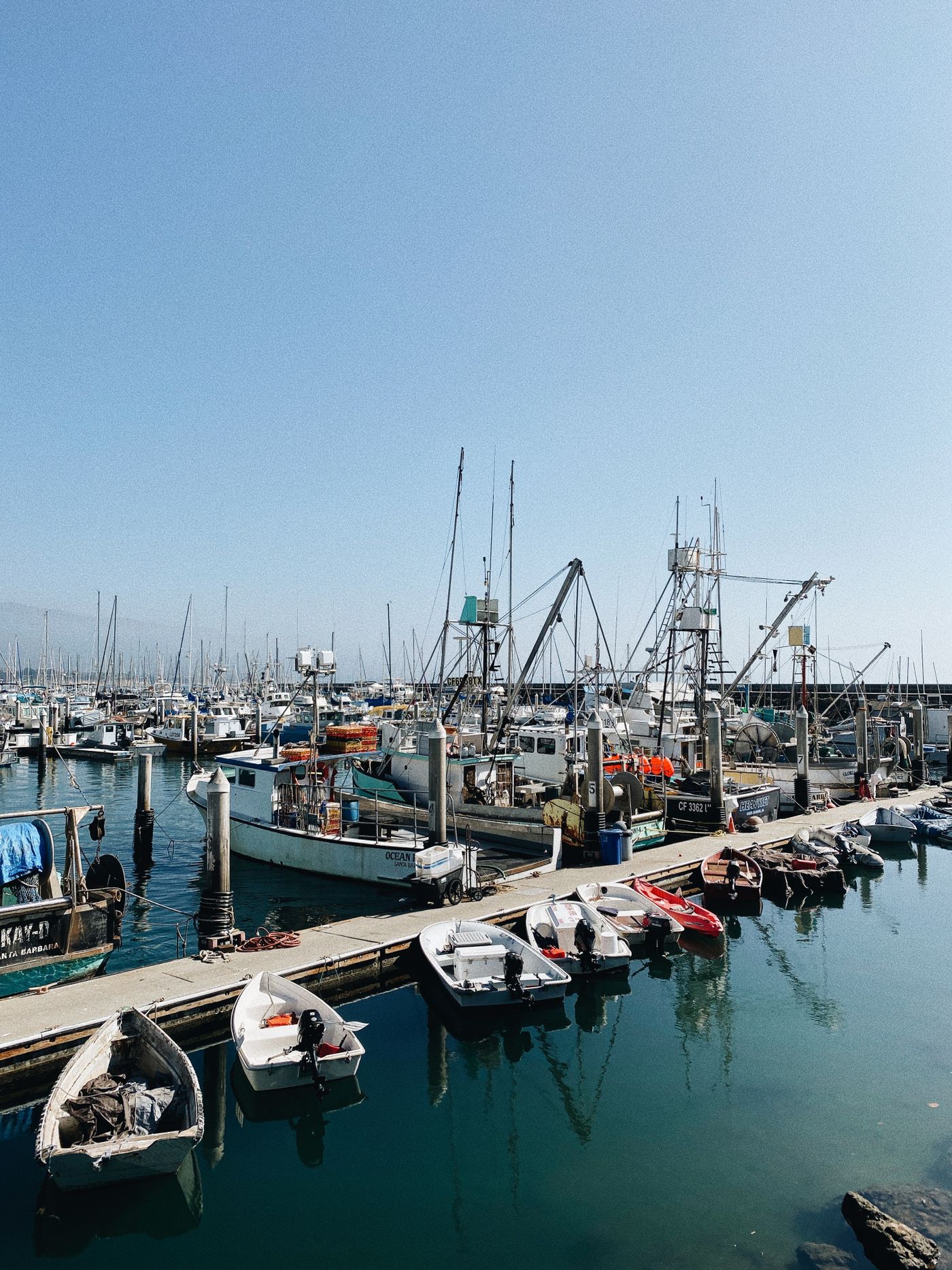
California’s latest conservation package includes a measure with a clear San Joaquin Delta connection. The Governor’s September 29 announcement lists Assembly Bill 2032, authored by Assemblymember Rhodesia Ransom of Tracy, among the signed measures, identifying its subject as golden-mussel response and water-supply infrastructure. The confirmation is a state-policy development, not a report of a new detection in Mountain House. The bill’s detailed implementation and effective-date provisions require the enacted legal text; this article does not infer new local inspection rules from the Governor’s brief description.
California Department of Fish and Wildlife describes the threat as both ecological and operational: golden mussels can damage infrastructure, obstruct water movement and compete with native species. It dates the first North American detection to October 2024 and maintains a California map of confirmed sightings. A map’s individual markers and an explanation of a species’ possible impacts answer different questions. Neither should be compressed into a blanket statement that every lake, water system or household supply is affected. An environmental issue can merit serious prevention efforts while still requiring location-specific evidence for claims about a particular facility.
CDFW asks watercraft users to clean, drain and dry boats and equipment, check launch restrictions with the managing agency and report suspected sightings with close-up photographs showing scale. Its reporting contact is (866) 440-9530 or Invasives@wildlife.ca.gov, with an online link on the species page. Reporting and confirmation remain different steps. A resident’s useful contribution can be a careful record of what was observed and where it was found, without declaring a new infestation from a distant image. Keeping the observation separate from the conclusion makes the information more useful to the agency assessing it.
Mountain House Live’s local analysis is that this is a useful example of regional news connecting environment, recreation and public infrastructure. A family planning a boating weekend may experience the issue as a launch condition; a water manager may see it as maintenance and operational planning. Those interests overlap without being identical. The signing announcement does not contain a Mountain House water-rate change, drinking-water warning or forecast of supply interruption. Such claims would require a notice from the responsible local provider. Keeping that boundary clear helps residents follow a serious environmental development without turning general concern into unsupported local alarm.
The bill also raises a practical accountability question for future coverage: what implementation changes will agencies announce after the signing? Residents can look for dated guidance, public plans and documented operational changes rather than assuming that legislative approval instantly removes the problem. A prevention program’s value depends on what it actually does, which waters it covers and how users receive instructions. Those are questions for later official evidence. No new treatment standard, deadline for an individual boater or guaranteed eradication result is announced in this report.
For now, a resident’s most useful action is to check the current managing-agency notice before moving a boat or water equipment between destinations and keep the state prevention page available. If someone forwards a closure notice, verify the waterbody and date instead of treating it as a statewide shutdown. This article introduces a distinct recent policy development while retaining the older detection date as background. It will need a follow-up only when enacted-text review or subsequent agency publication supplies a material new fact. Mountain House Live has not conducted field sampling or original environmental reporting, and no borrowed photograph is presented as a local inspection.
Source-based account with Mountain House Live’s local analysis. Our interpretation is based on the linked records; it is not a statement from the source organization. Dates are preserved from this edition; confirm time-sensitive details with the original source.